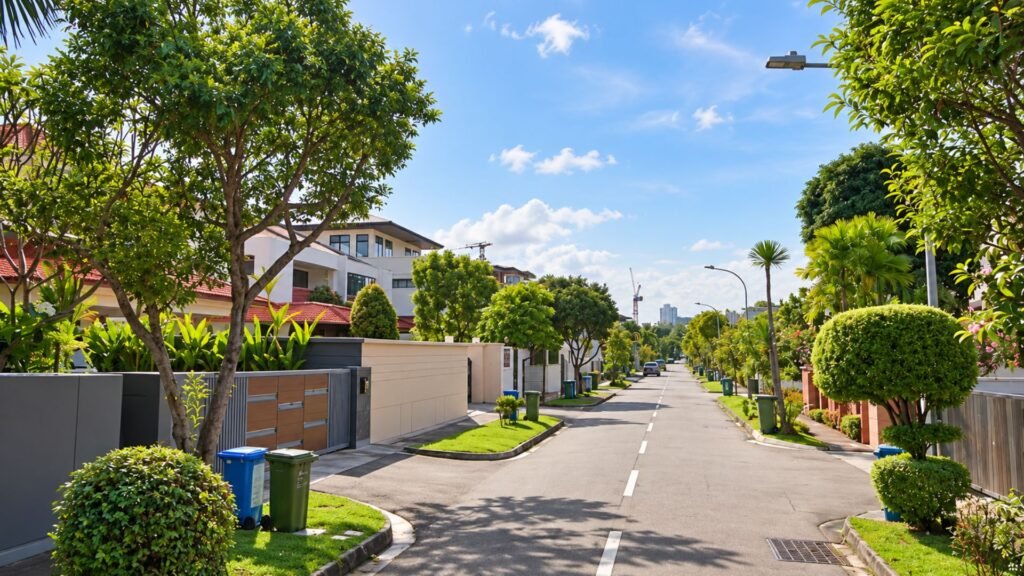
Singapore’s landed property market could see an interesting shift heading into 2027.
Recent changes to housing policies, continued demand for landed homes and a growing selection of new and Built-Under-Construction (BUC) landed properties may encourage more homeowners to reconsider whether it is the right time to sell, upgrade, right-size or purchase a new home.
A recent article published by The Straits Times highlighted the possibility of increased landed property activity in 2027 following recent policy changes and upcoming property launches.
For landed homeowners and buyers, there are several developments worth watching.
Removal of the 15-Month HDB Wait-Out Period
One of the most significant changes in 2026 was the removal of the 15-month wait-out period for certain private residential property owners purchasing HDB resale flats.
Previously, many private property owners who sold their condominium or landed home had to wait 15 months before they could purchase a non-subsidised HDB resale flat.
From 28 July 2026, eligible private property owners and former private property owners purchasing a non-subsidised HDB resale flat without taking an HDB housing loan are no longer subject to this 15-month waiting period.
This provides considerably more flexibility for private homeowners considering right-sizing.
For example, an older couple living in a large landed home may have wanted to move into a more manageable HDB flat but hesitated because of the need to arrange temporary accommodation during the 15-month waiting period.
Removing this requirement makes such a move easier to plan.
For the landed market, this could potentially encourage some long-term landed homeowners to place their properties on the market, increasing the selection of resale landed homes available to buyers.
Landed Property Prices Remain Resilient
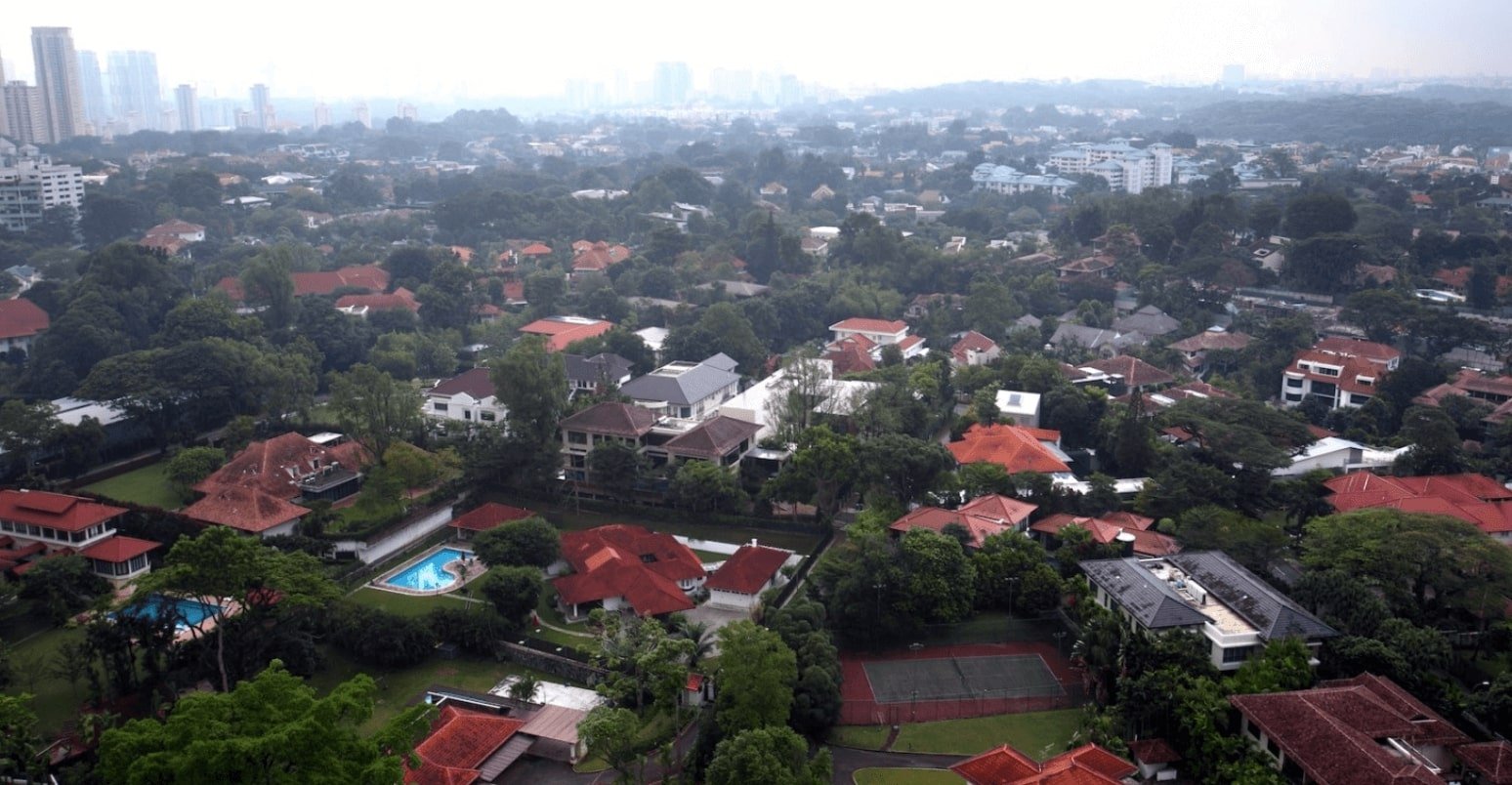
The change comes at a time when Singapore landed property prices have remained relatively resilient.
According to URA’s flash estimate for the third quarter of 2026, landed residential property prices increased by 2.8% quarter-on-quarter.
This followed a 2.5% increase in the second quarter of 2026.
The figures show that demand for landed housing remains present despite economic uncertainty and fluctuations in the wider property market.
However, homeowners should not assume that prices will move continuously upwards.
Property performance can vary substantially depending on location, land size, tenure, condition, frontage, plot configuration and the type of landed home.
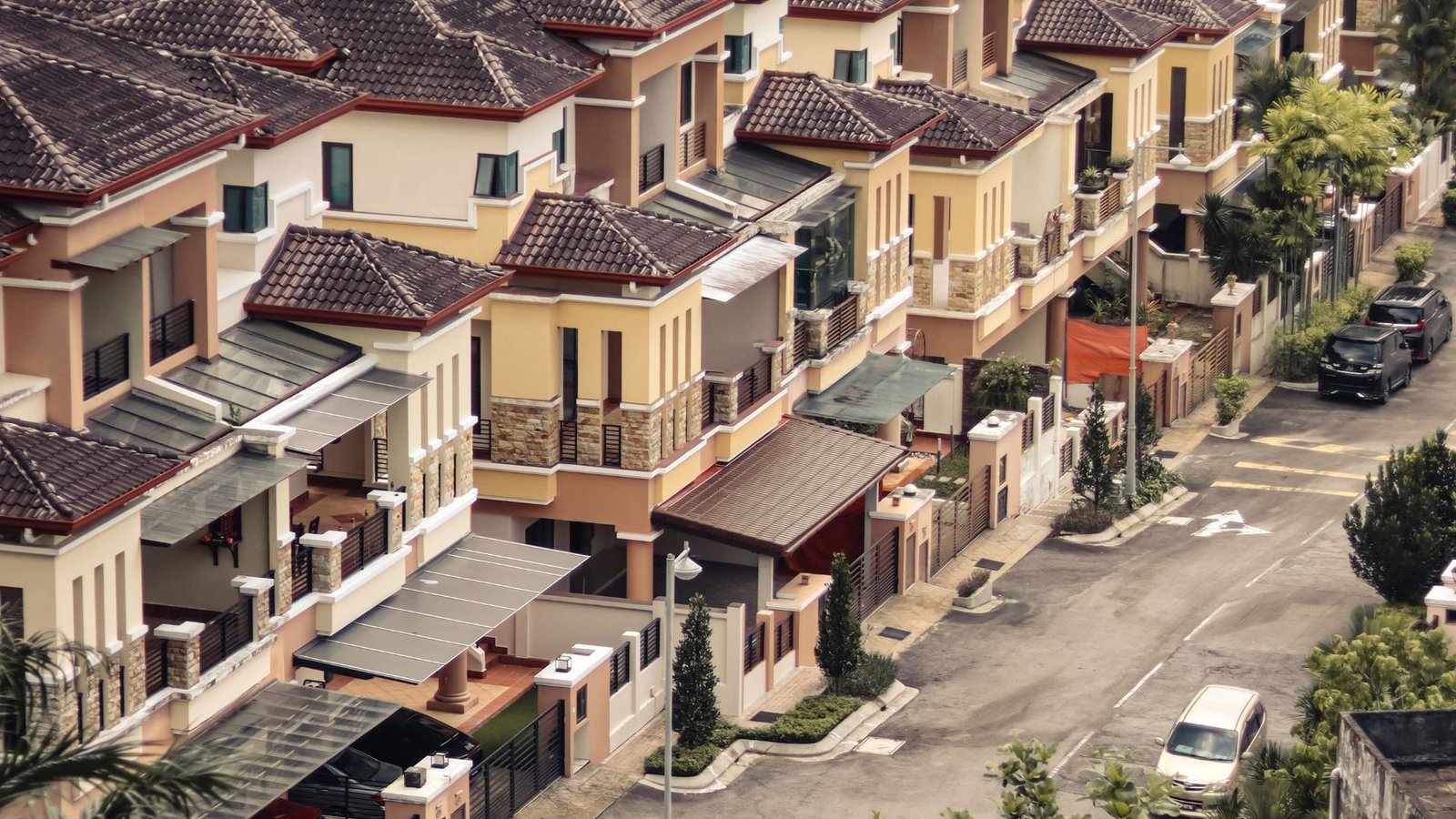
A well-located freehold semi-detached house in District 15, for example, may face very different demand compared with an older terrace house requiring substantial rebuilding in another location.
Could More Landed Owners Sell in 2027?
The removal of the HDB wait-out period could unlock a group of homeowners who previously delayed selling.
There are several reasons why landed homeowners may consider selling.
Some owners may be entering retirement and prefer a smaller property requiring less maintenance.
Others may want to release capital tied up in a landed home.
There may also be families whose children have moved out, leaving them with more space than they require.
Previously, moving from a landed property directly into an HDB resale flat could involve considerably more planning. The latest policy change removes one of those obstacles for eligible homeowners.
If more long-term owners decide to sell, buyers could potentially see a wider selection of older landed properties entering the market.
At the Same Time, Demand for New Landed Homes Is Changing
While some owners may be right-sizing, another group of buyers is moving in the opposite direction.
Families upgrading from condominiums and older landed properties continue to look for larger homes with modern layouts and facilities.
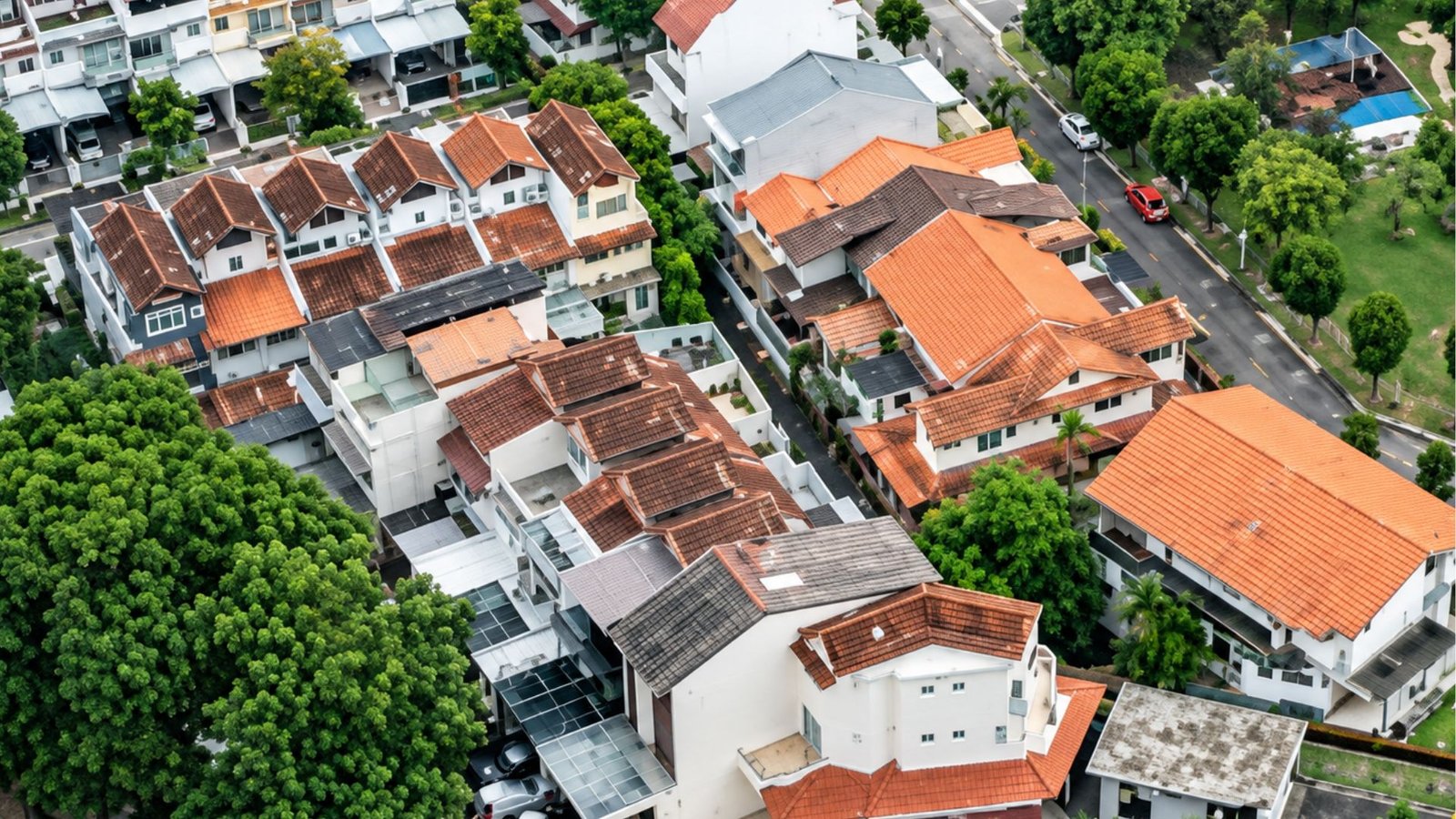
This has supported the growth of the brand-new and BUC landed segment.
Today’s landed buyers increasingly look beyond land size alone.
Common requirements now include:
- Private home lifts
- Swimming pools
- Multiple ensuite bedrooms
- Larger family and entertainment areas
- Parking for two or more cars
- EV charging provisions
- Energy-efficient features
- Modern kitchens and appliances
- Flexible spaces for multi-generational living
- Better integration between indoor and outdoor areas
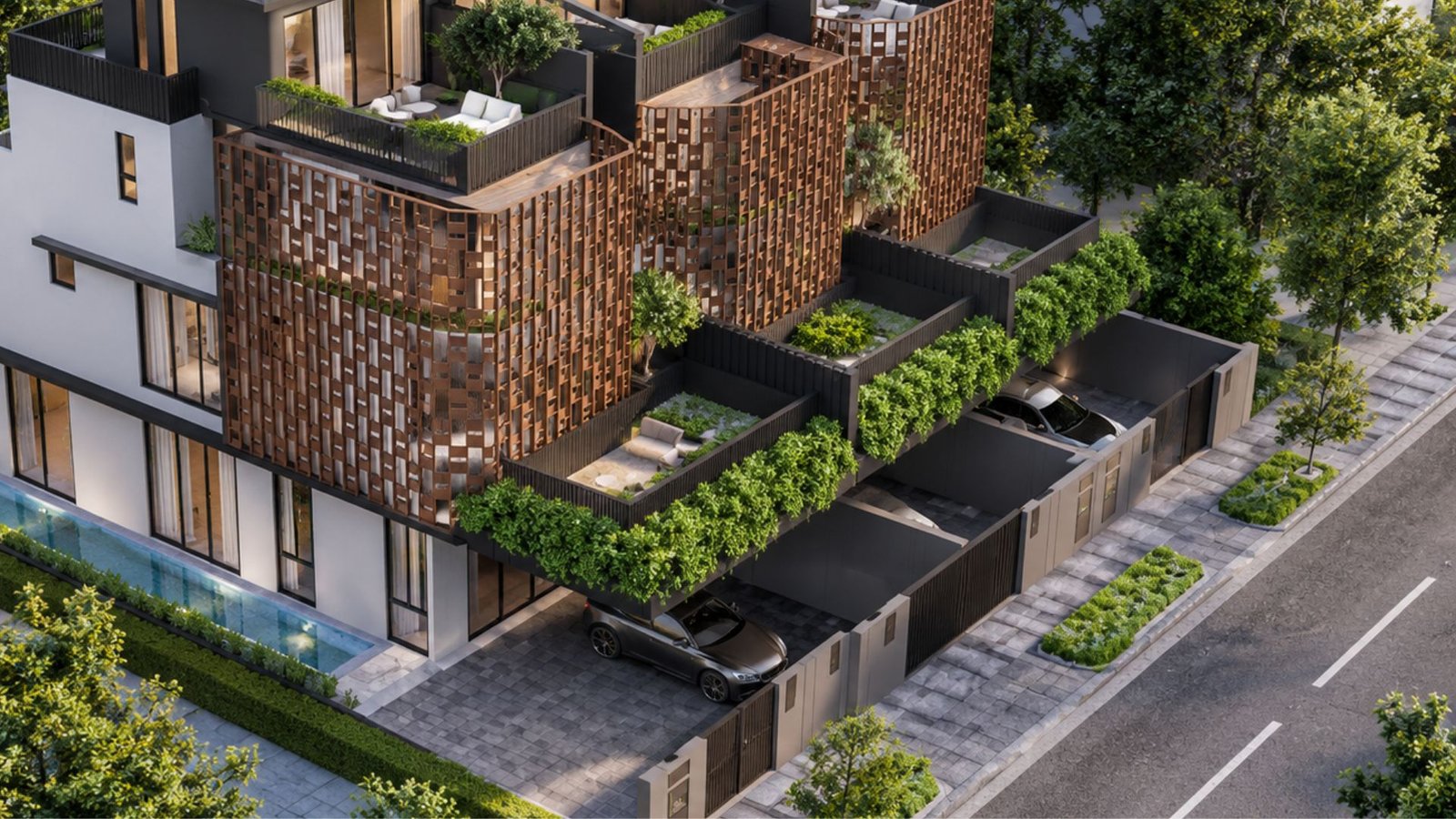
This has created a growing market for boutique developers building modern landed homes on individual plots or small collections of neighbouring properties.
For buyers searching for a Brand New Landed Property For Sale in Singapore, 2027 could therefore offer opportunities across both newly completed properties and projects still under construction.
Resale Versus Brand-New Landed Property
One of the biggest decisions for landed buyers remains whether to purchase an older resale home or a brand-new property.
A resale landed home may provide a larger land parcel or an attractive location, but buyers should factor in possible renovation, reconstruction and maintenance costs.
An older property may require extensive work to meet the lifestyle expectations of today’s family.
Rebuilding also involves architectural planning, authority approvals, professional fees, construction costs and a substantial amount of time.
Brand-new landed properties provide a different proposition.
Many are designed around current lifestyle requirements and can include facilities such as lifts, pools and ensuite bedrooms from the beginning.
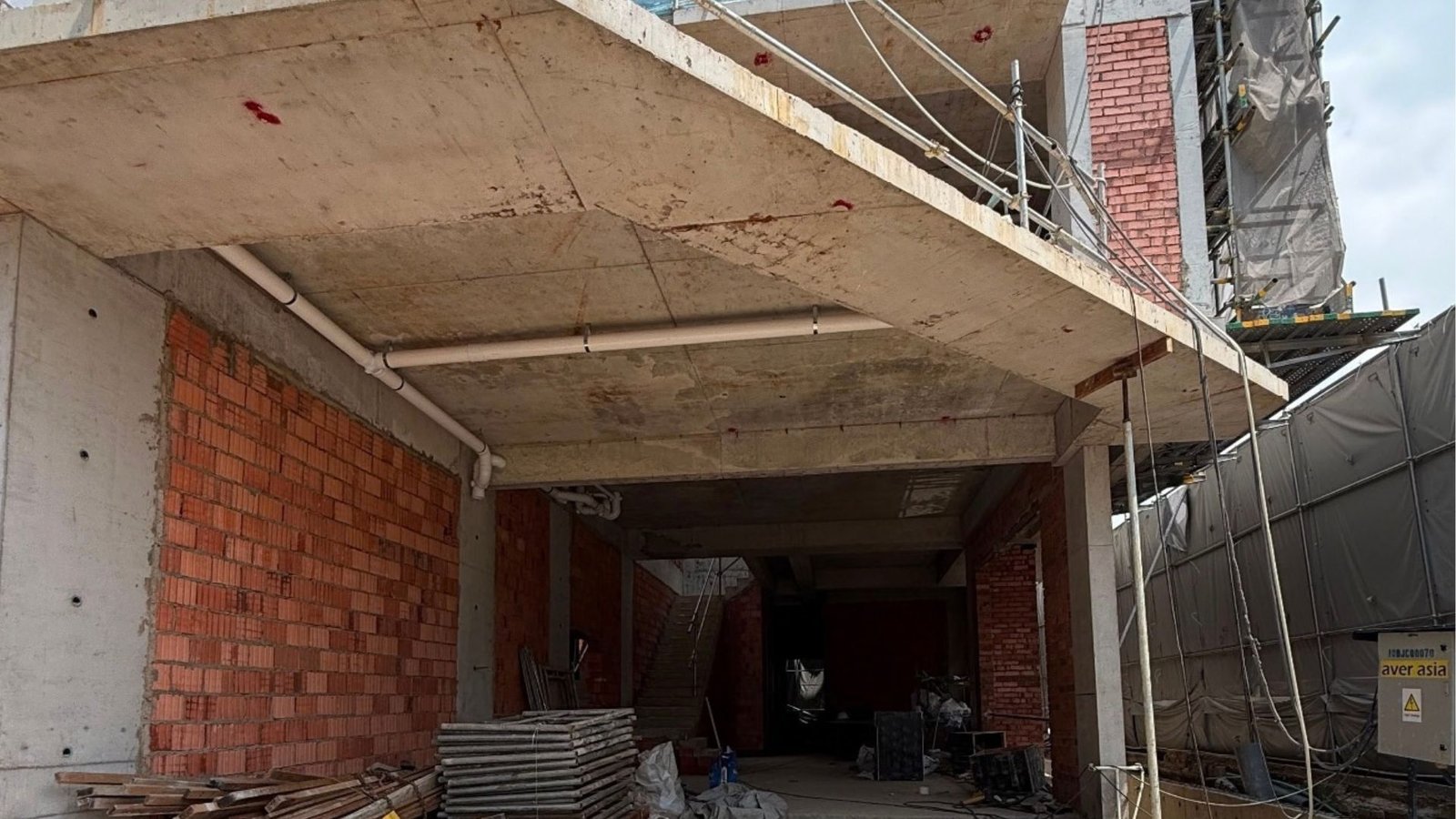
BUC properties also allow buyers to secure a future home before construction is completed, although buyers should carefully study the floor plans, specifications, expected completion date and developer’s track record.
Neither option is automatically better.
The right choice depends on the buyer’s budget, timeline, preferred location and willingness to undertake renovation or rebuilding work.
Supply of Landed Property Remains Structurally Limited
Unlike condominiums, landed housing cannot simply be created in large quantities through high-density development.
Singapore’s physical land constraints and planning framework mean landed homes remain a relatively limited part of the overall residential market.
This scarcity is one reason buyers often look at landed homes with a longer-term perspective.
Within the landed market, additional differences such as freehold versus leasehold tenure, detached versus semi-detached or terrace housing, and proximity to schools or MRT stations can significantly affect demand.
Buyers therefore need to compare properties individually rather than rely solely on broad market averages.
What Should Landed Homeowners Consider Before Selling?
A stronger or more active market does not necessarily mean every homeowner should sell.
Owners should first understand the realistic market value of their property.
Factors such as recent transactions in the immediate neighbourhood, land dimensions, frontage, orientation, redevelopment potential, tenure and the condition of the existing house can all affect the achievable selling price.
For older landed properties, redevelopment potential may sometimes be just as important as the existing house itself.
Owners should therefore understand how both homeowners and developers may view their property before setting an asking price.
What Should Buyers Watch Going Into 2027?
For buyers, increased transaction activity could mean more choices, but good landed properties can still be difficult to replace.
Instead of focusing purely on price per square foot, buyers should consider the entire property.
This includes:
- Land configuration and frontage
- Usable built-up area
- Number and size of bedrooms
- Parking capacity
- Renovation or rebuilding requirements
- Proximity to MRT stations and amenities
- Schools within the relevant distance
- Future redevelopment possibilities
- Tenure
- Overall location
For brand-new properties, construction quality, developer experience, floor-plan efficiency and specifications should also be carefully reviewed.
Outlook for the Singapore Landed Property Market in 2027
There are several reasons why 2027 could become an active year for Singapore landed property.
The removal of the 15-month HDB wait-out period gives eligible private homeowners more flexibility to right-size.
At the same time, recent landed property price movements demonstrate continued demand, while a pipeline of new and BUC landed homes is giving buyers more alternatives to traditional resale properties.
Whether transaction volumes ultimately increase substantially will depend on market conditions, interest rates, buyer confidence, pricing expectations and the availability of suitable properties.
What appears clear is that both buyers and sellers will have more factors to consider as the market moves into 2027.
For homeowners thinking about selling and buyers searching for their next landed home, understanding the differences between individual properties — rather than simply following headline market movements — will remain critical.
Source and reference: This article was independently written with reference to The Straits Times, “Why more people may be selling and buying houses in 2027”, by Christine Sun, published 2 October 2026. Additional factual references include information published by the Housing & Development Board (HDB) and Urban Redevelopment Authority (URA).
This article is an independent analysis and is not reproduced from The Straits Times.