Buying landed property in Singapore is an important milestone for many homeowners. Unlike condominium living, a landed home offers greater privacy, more living space and the flexibility to create a home that suits your family’s lifestyle.
However, buying landed property in Singapore involves more than choosing a beautiful house. Buyers must understand property types, land tenure, financing, renovation costs and potential redevelopment restrictions.
Whether you are upgrading from a condominium or purchasing your first landed home, this 2026 guide explains the key considerations before making your decision.
1. Understanding the Different Types of Landed Property in Singapore
There are several types of landed residential properties available in Singapore.
Inter-Terrace House
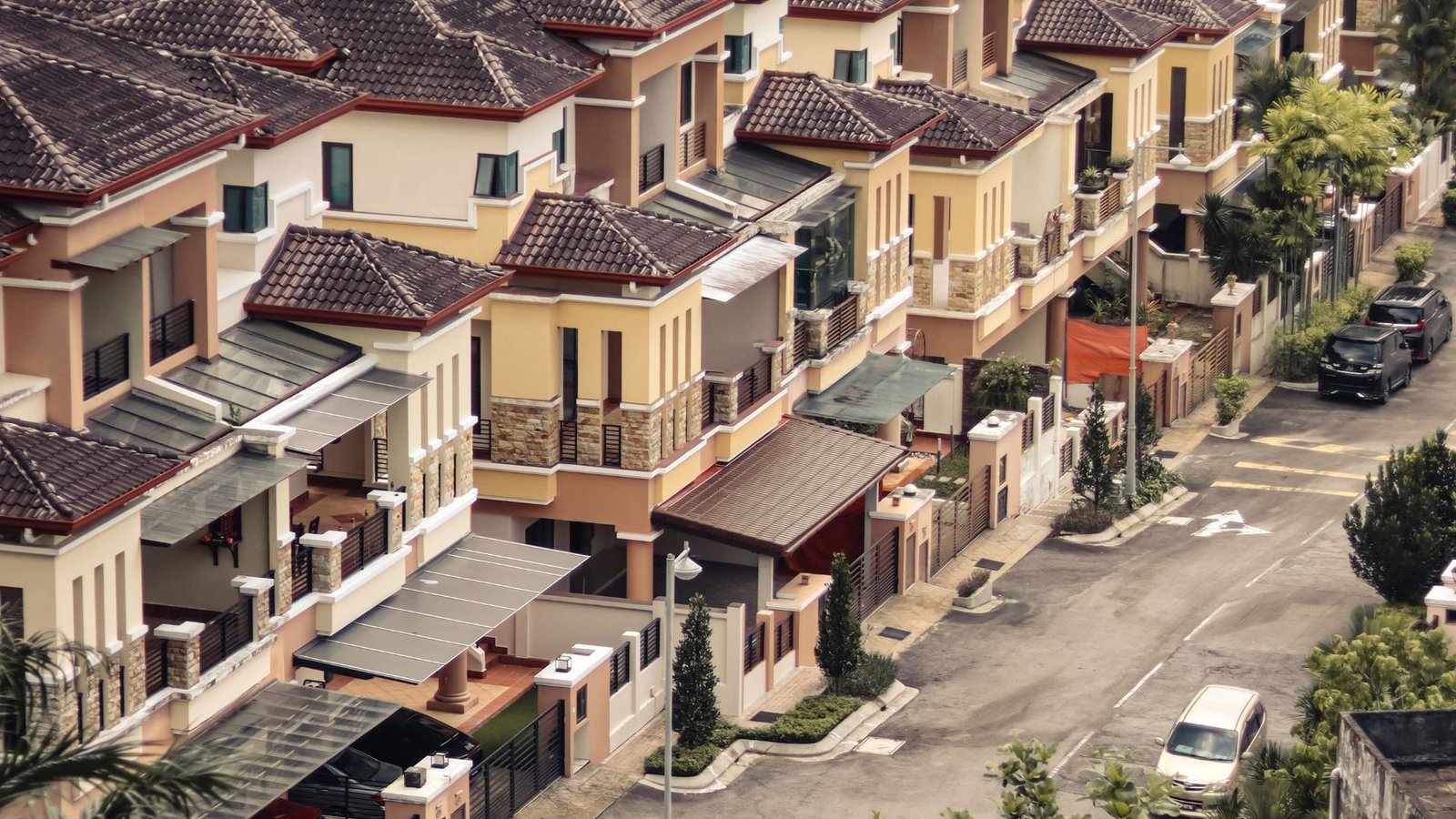
An inter-terrace house sits between two neighbouring houses, sharing walls on both sides. It is generally one of the more affordable options for buyers entering the landed property market.
Corner Terrace House
A corner terrace is located at the end of a row of terrace houses. It often offers additional outdoor space, better natural lighting and greater flexibility in layout.
Semi-Detached House
A semi-detached house shares one common wall with another property. It typically offers more privacy, wider frontage and larger living areas than a terrace house.
Detached House
A detached house stands independently without sharing walls with neighbouring homes. It generally offers greater privacy and flexibility, although prices vary significantly depending on location and land size.
The best choice depends on your budget, family requirements and preferred lifestyle.
2. Who Can Buy Landed Property in Singapore?
Before searching for landed homes, buyers should understand the ownership eligibility requirements.
Singapore citizens can generally purchase private landed residential properties, subject to applicable housing and financing rules.
Singapore Permanent Residents and other foreign persons generally require approval from the Singapore Land Authority before purchasing restricted residential properties, including most terrace, semi-detached and detached houses.
Approval is assessed individually and should never be assumed.
Buyers who currently own an HDB flat must also consider their Minimum Occupation Period before purchasing private residential property.
It is advisable to confirm your eligibility before making any financial commitment.
3. Freehold vs Leasehold Landed Property
One important consideration when buying landed property in Singapore is the property’s tenure.
Freehold landed property offers ownership without a fixed lease expiry. It is often attractive to buyers who intend to retain their property for future generations.
999-year leasehold property is also commonly regarded as a long-tenure option, although it remains legally leasehold.
99-year leasehold property generally has a lower entry price than comparable freehold homes, but its remaining lease becomes increasingly important over time.
Buyers should evaluate the tenure together with the location, land size, condition and overall purchase price.
A freehold property is not automatically a better investment if the asking price is significantly above comparable market transactions.
4. How Much Does Landed Property Cost in Singapore?
Landed property prices vary widely across Singapore.
Factors influencing the price include:
- District and neighbourhood
- Land area and frontage
- Property type and tenure
- Building age and condition
- Rebuilding or redevelopment potential
- Accessibility to MRT stations and amenities
- Quality of construction and interior finishes
When comparing landed properties, buyers often use price per square foot based on land area.
For example, a landed property priced at S$8 million with 3,000 sqft of land has a land-based price of approximately S$2,667 psf.
However, land psf alone does not reflect the property’s total value.
A brand-new home with a modern layout, swimming pool and private lift may command a premium over an older property with similar land dimensions.
Buyers should compare recent transactions of similar properties rather than relying solely on asking prices.
5. Brand New vs Resale Landed Property
Should you purchase a brand-new landed home or an older resale property?
Both options have advantages.
Benefits of Brand-New Landed Property
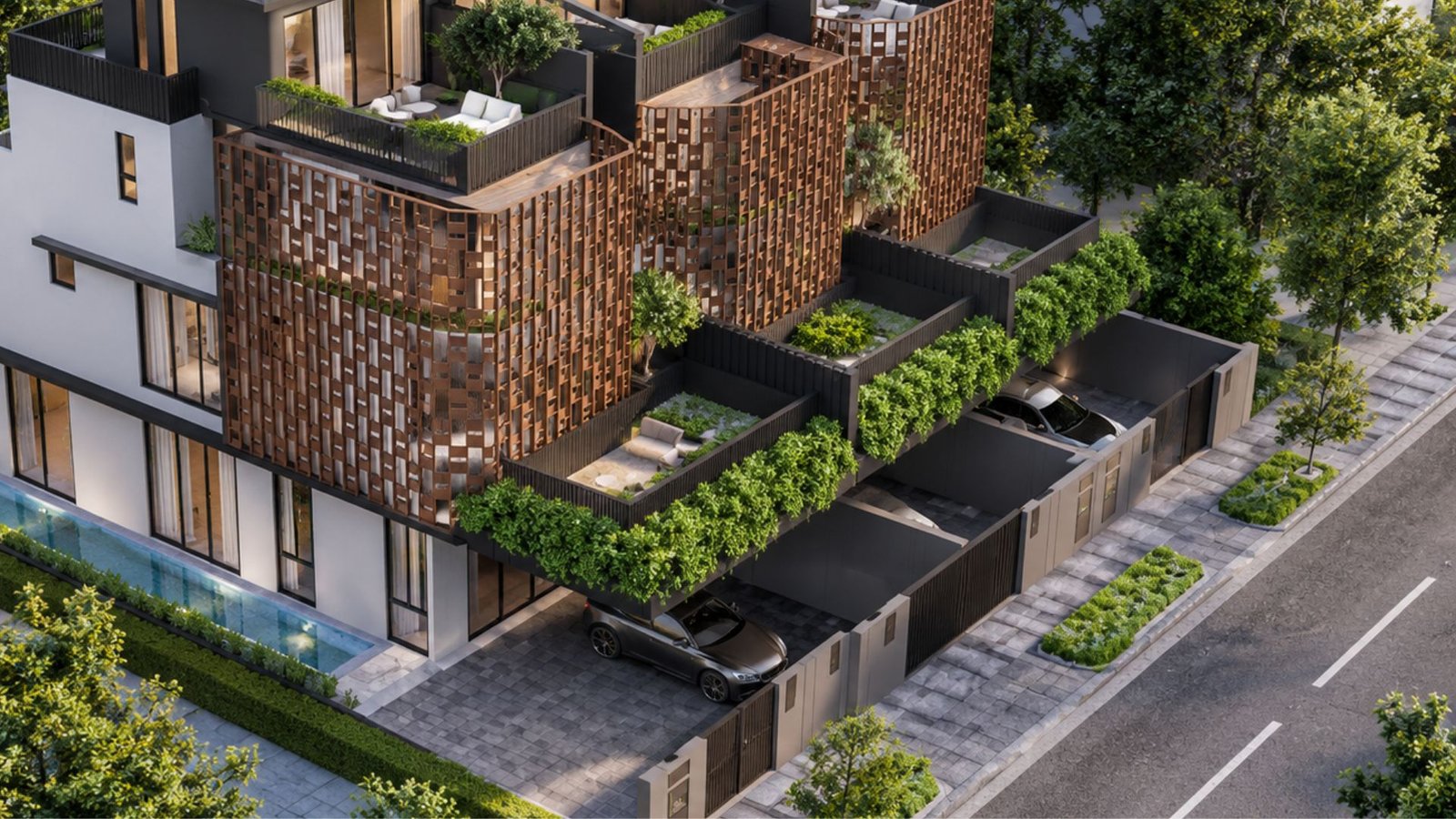
Brand-new landed houses often feature contemporary architecture, efficient layouts and modern facilities.
Depending on the development, features may include private lifts, swimming pools, ensuite bedrooms, smart-home systems and EV charging provisions.
Buyers may also avoid the inconvenience of extensive renovation works.
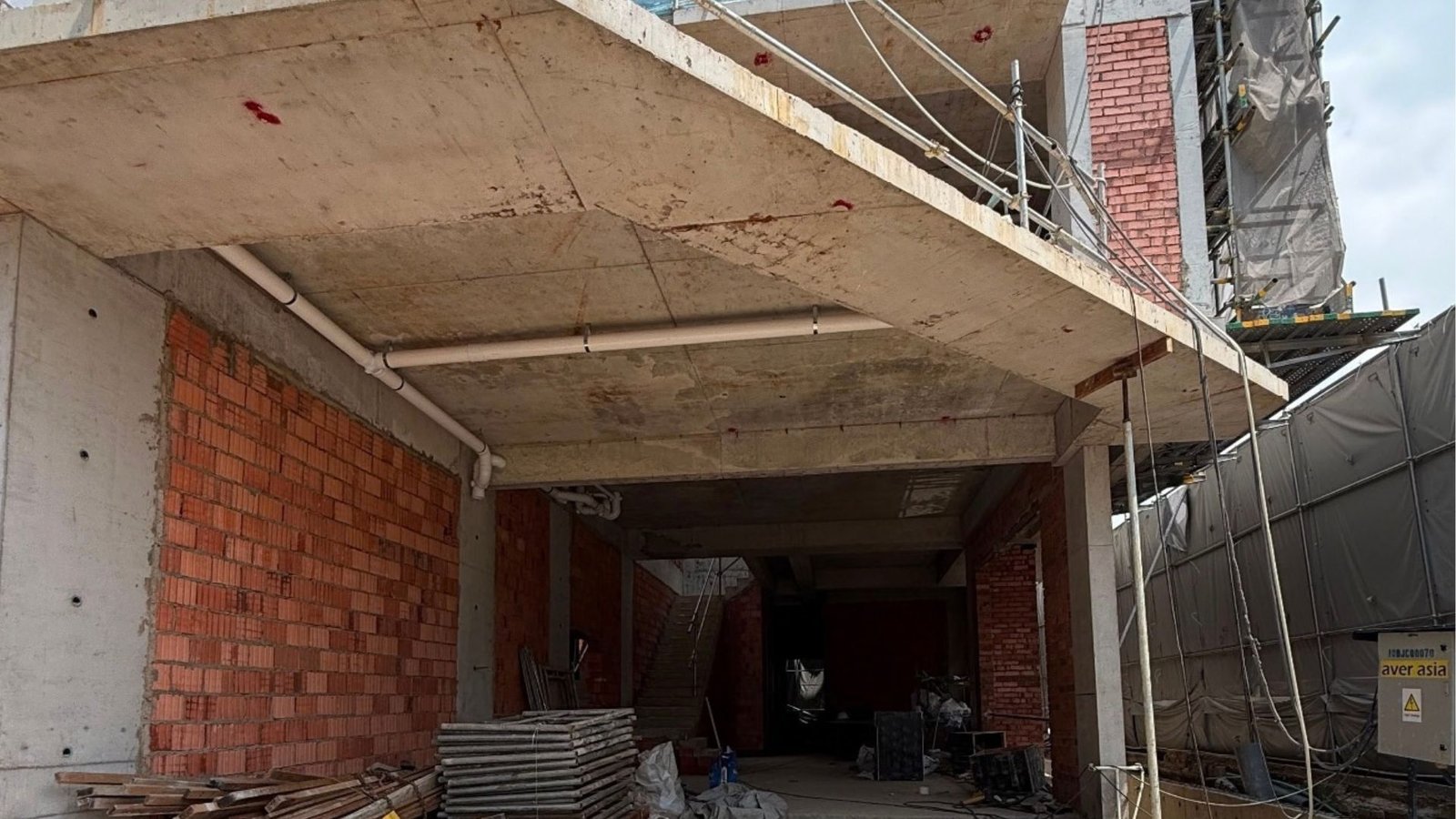
Some properties are sold while construction is ongoing, allowing buyers to plan ahead for completion.
Benefits of Resale Landed Property
Resale landed homes may offer larger land plots, established neighbourhoods and opportunities for renovation or redevelopment.
Buyers who enjoy personalising their homes may prefer older properties.
However, substantial renovation or rebuilding can involve significant costs, regulatory approvals and construction delays.
The right decision depends on whether you prioritise convenience, customisation, land size or overall value.
6. Best Locations to Buy Landed Property in Singapore
Singapore has many established landed residential neighbourhoods.
District 15 — East Coast, Katong and Siglap
District 15 remains popular with buyers seeking established residential estates, dining options, schools and access to East Coast Park.
Neighbourhoods such as Siglap, Telok Kurau and Frankel Estate offer a range of terrace, semi-detached and detached homes.
District 16 — Bedok and Upper East Coast
District 16 offers landed housing options in areas such as Tanah Merah, Bayshore and Upper East Coast.
Buyers may appreciate the area’s accessibility to eastern Singapore, recreational amenities and Changi Airport.
District 19 — Serangoon Gardens and Kovan
District 19 is another established landed residential location.
Serangoon Gardens, Kovan and surrounding neighbourhoods attract families seeking residential surroundings and convenient amenities.
Districts 10 and 11 — Prime Central Locations
For buyers seeking prestigious addresses, Districts 10 and 11 offer landed neighbourhoods around Bukit Timah, Holland Road, Newton and Dunearn.
The ideal district ultimately depends on your lifestyle, commuting needs, preferred schools and budget.
7. Important Checks Before Buying a Landed House
A landed property purchase requires careful due diligence.
First, verify the property’s land title, tenure, boundaries and approved building plans.
Second, check whether existing extensions and alterations have the necessary approvals.
Third, assess the physical condition of the building, particularly roofing, waterproofing, drainage and structural elements.
Fourth, consider whether the property falls within an area with specific planning or conservation restrictions.
Finally, if you intend to rebuild, consult a qualified architect to assess the relevant planning requirements before committing to the purchase.
An attractive land plot does not necessarily mean that every proposed redevelopment design will receive approval.
These checks can help avoid costly surprises after completion.
8. Financing and Additional Purchase Costs
Apart from the property price, buyers should budget for several additional expenses.
These may include Buyer’s Stamp Duty, Additional Buyer’s Stamp Duty where applicable, legal fees, valuation fees, mortgage-related expenses and renovation costs.
Loan eligibility depends on factors such as income, existing debt commitments, age and applicable lending regulations.
Buyers should obtain an assessment of their financing capacity before making an offer.
It is also wise to maintain sufficient cash reserves for unexpected repairs or additional construction expenses.
A comfortable purchase budget should account for both the initial acquisition and the ongoing cost of owning a landed home.
9. Frequently Asked Questions About Buying Landed Property
Is landed property a good investment in Singapore?
Landed property has limited supply compared with high-rise residential housing. However, investment performance depends on purchase price, location, tenure, market conditions and holding period. Capital appreciation is never guaranteed.
Can I use CPF to buy landed property?
Eligible buyers may use CPF Ordinary Account savings to purchase private residential property, subject to CPF rules and applicable withdrawal limits.
Is buying a brand-new landed house better than rebuilding?
A brand-new house may save time and reduce construction uncertainty. Rebuilding may offer greater design flexibility, but buyers should carefully assess total costs, approvals and completion timelines.
What should I look for during a landed property viewing?
Pay attention to land frontage, natural lighting, ventilation, bedroom layouts, parking capacity, drainage, structural condition and the surrounding environment.
10. Find the Right Landed Property in Singapore
Buying landed property is a major financial and lifestyle decision. The right home should meet your family’s needs while offering reasonable value based on the prevailing market.
Working with an experienced landed property agent can help you understand recent transactions, compare suitable homes and identify important considerations before making an offer.
Disclaimer: This guide is for general information and does not constitute legal, financial or investment advice. Buyers should verify current regulations and seek professional advice where appropriate.