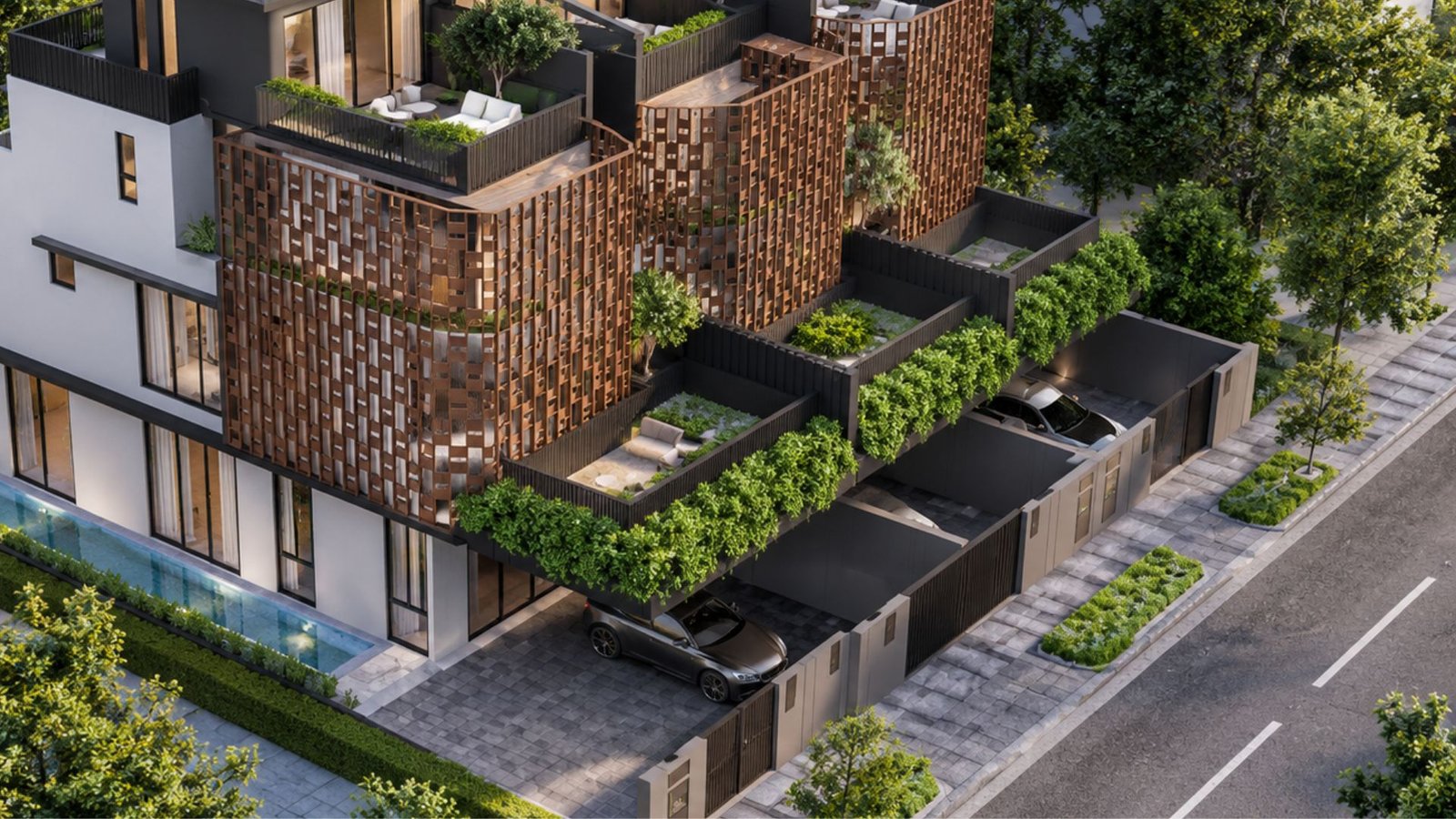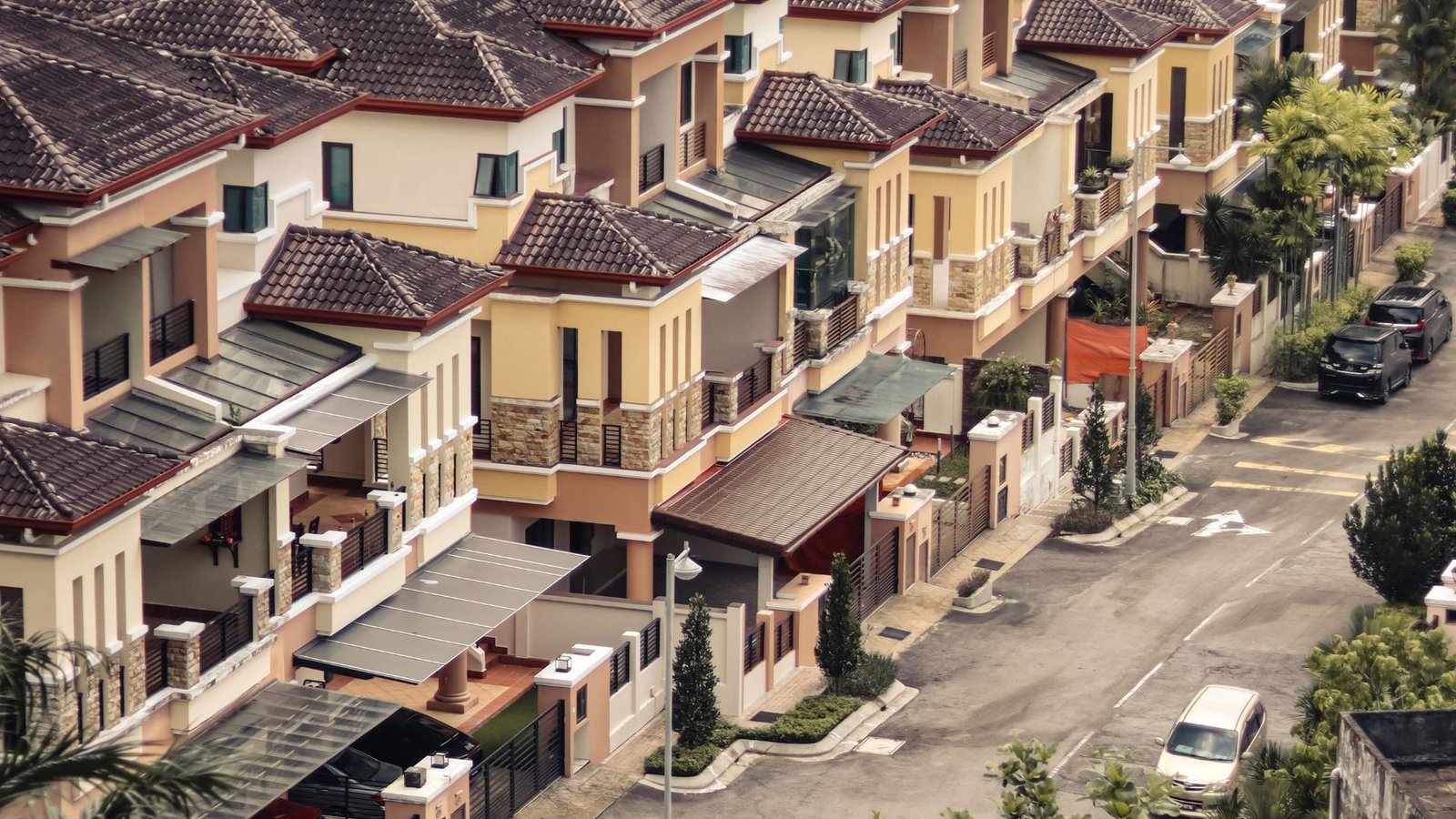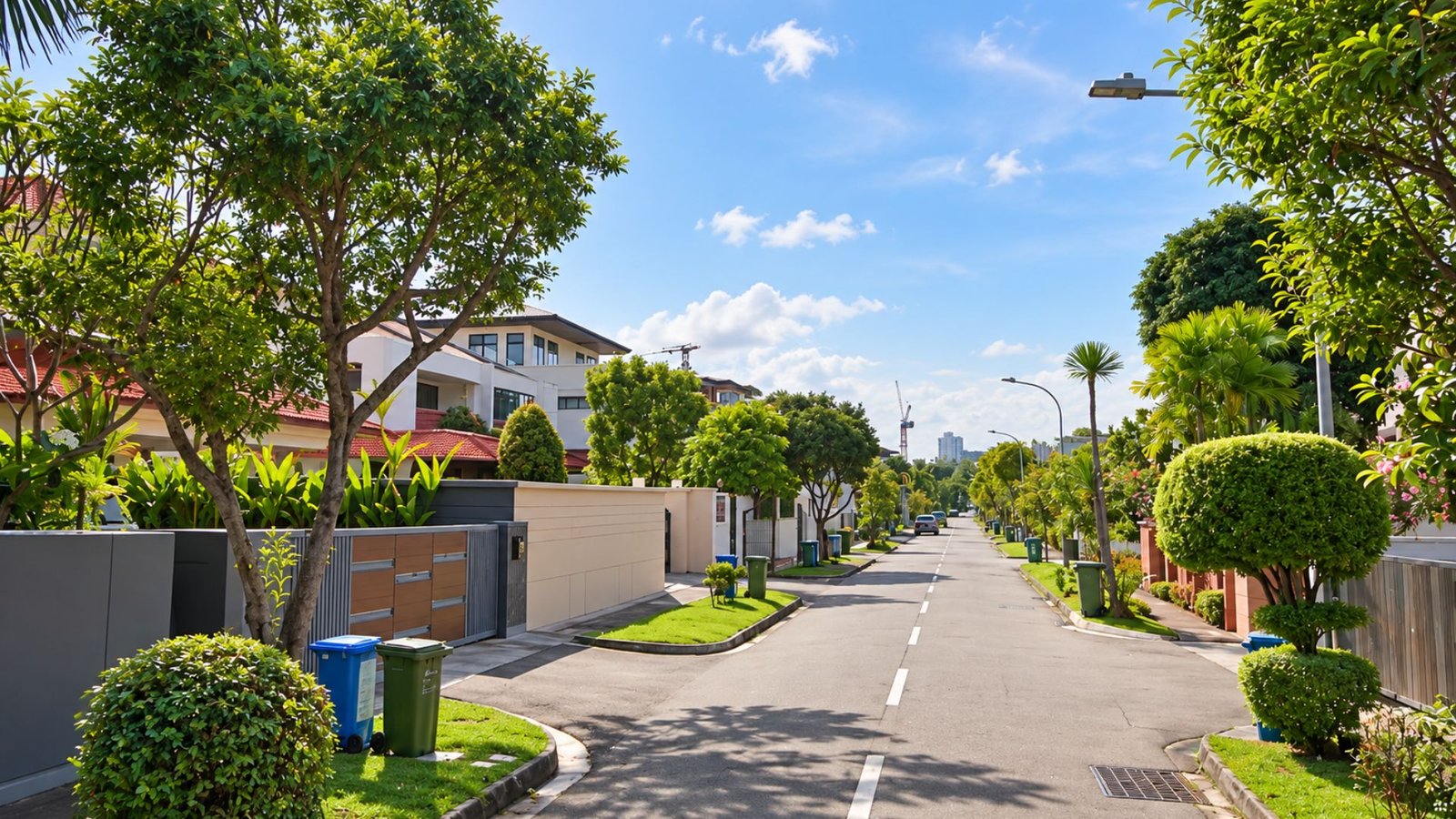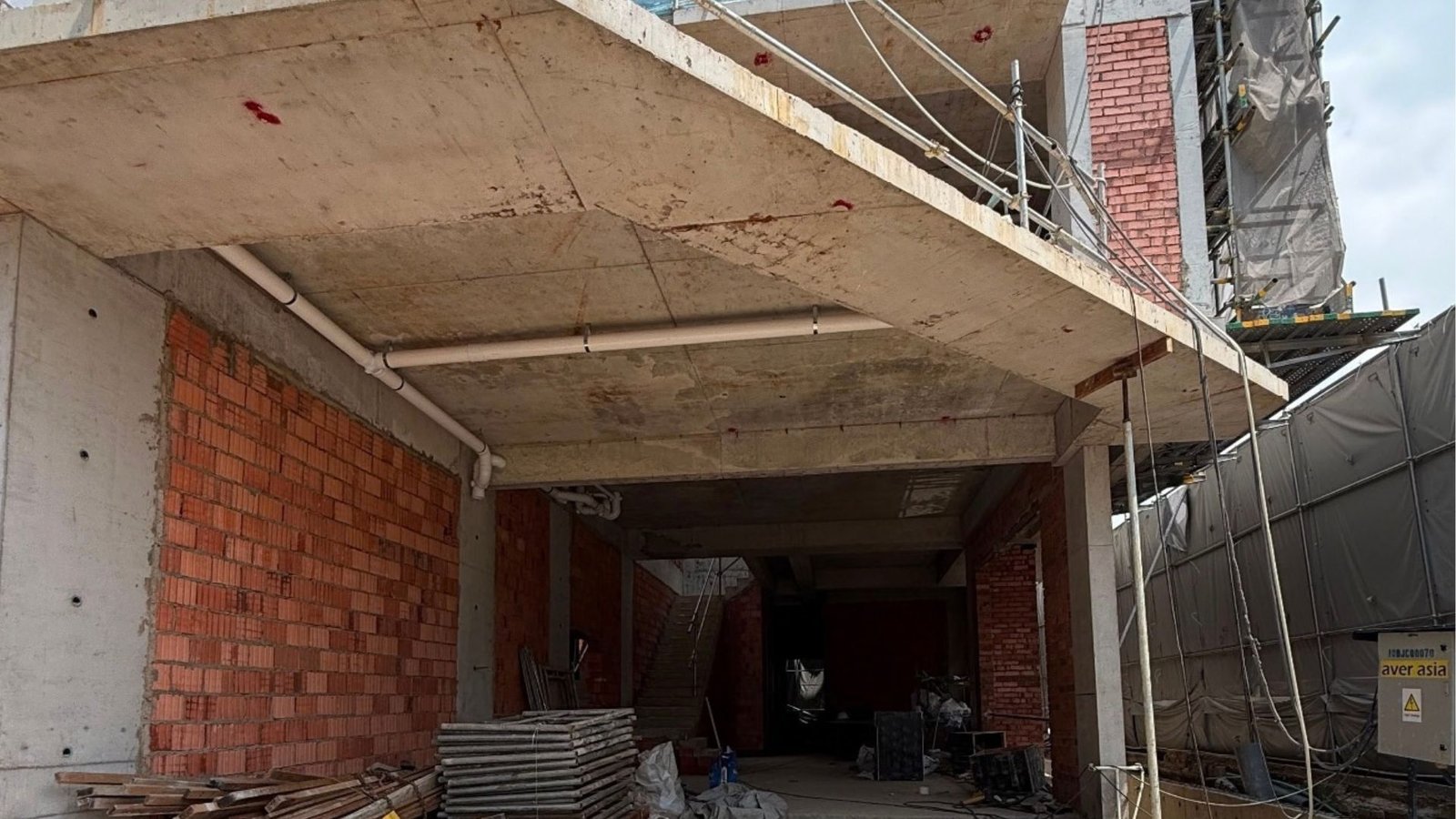
For buyers searching for a brand-new landed home in Singapore, you may come across the term BUC landed property. BUC stands for Built Under Construction and generally refers to a landed home that is being marketed for sale while construction is still ongoing.
Instead of purchasing an older landed property and undertaking extensive renovation or rebuilding, buyers can consider a BUC home designed and constructed with modern layouts, specifications and lifestyle requirements in mind.
For anyone considering a BUC landed property in Singapore, understanding the construction stage, floor plans, specifications, payment terms and expected completion timeline is important before committing to a purchase.
What Is a BUC Landed Property?
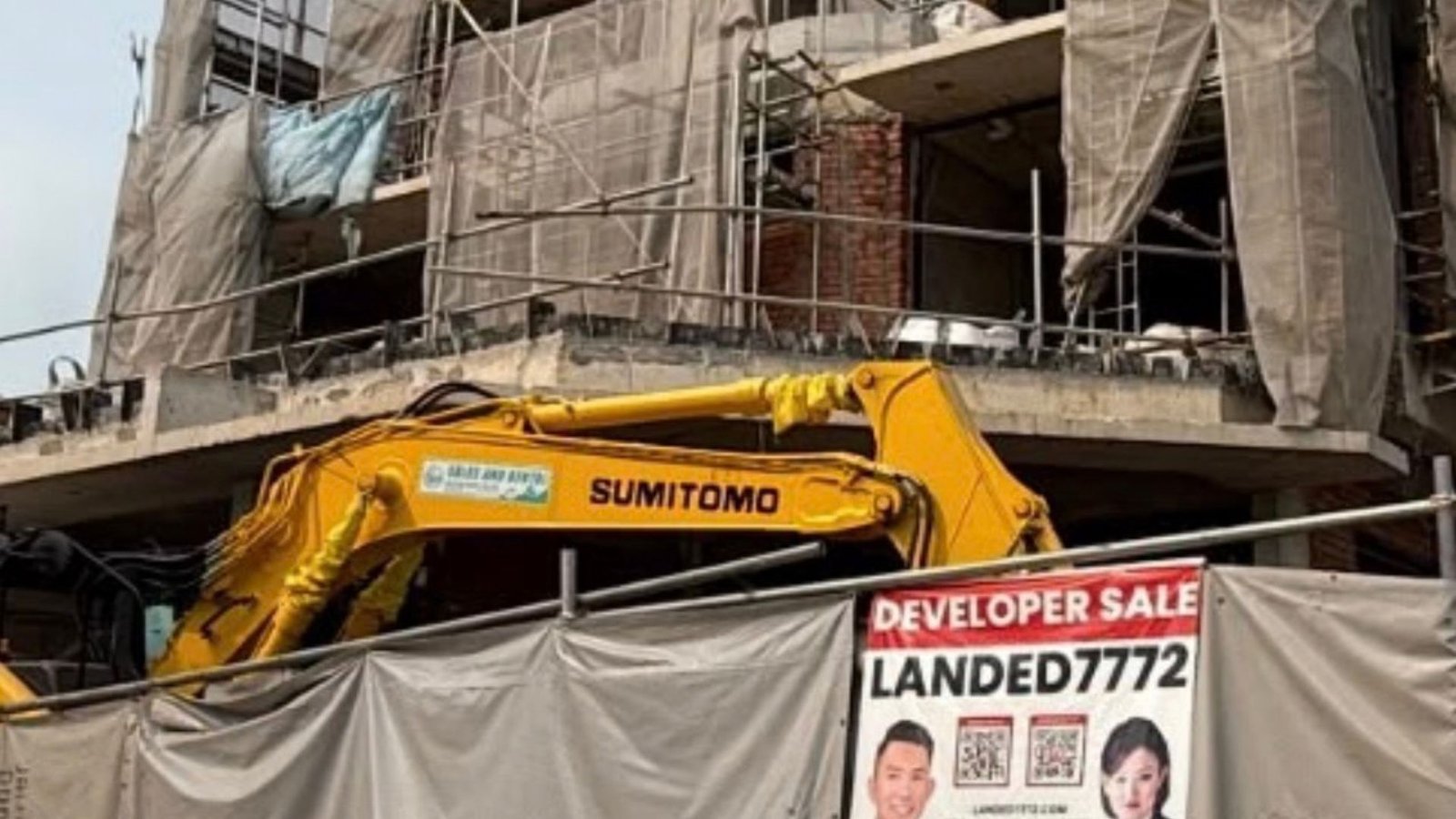
A BUC landed property is a landed house that has not yet been fully completed when it is offered for sale. Depending on the project, construction may be at an early stage, partially completed or approaching its expected Temporary Occupation Permit (TOP).
BUC landed properties may include:
Many are developed individually or in small collections by boutique landed-property developers rather than as large-scale residential developments.
Buyers are therefore purchasing based partly on the completed structure and partly on information such as architectural drawings, floor plans, specifications, artist impressions and the developer’s proposed design.
Why Do Buyers Consider BUC Landed Homes?
One attraction of buying BUC is the opportunity to own a brand-new landed property without going through the entire process of buying an older house and rebuilding it.
Rebuilding a landed property can involve architects, consultants, approvals, demolition, construction, interior works and a considerable amount of time.
With a BUC property, much of this process is already being managed by the developer.
Modern BUC landed homes may also incorporate features that are increasingly important to today’s families, including private home lifts, swimming pools, ensuite bedrooms, larger kitchens, family areas, higher ceilings, EV charging provisions and solar-ready infrastructure.
However, specifications vary considerably between properties, so buyers should always review what is actually included rather than assuming every new home offers the same features.
Buying Before the House Is Completed
One major difference between buying BUC and buying a completed landed home is that buyers may not be able to physically experience the finished property before making a decision.
This makes the floor plan particularly important.
Look beyond the total built-up area and examine how the space is distributed.
Consider bedroom dimensions, wardrobe space, kitchen configuration, ceiling heights, staircase positioning, lift access, family areas, helper’s accommodation, swimming pool placement and the relationship between indoor and outdoor spaces.
Parking is another important consideration. Buyers with multiple vehicles should understand the actual car-porch dimensions rather than relying solely on descriptions such as “park two cars”.
For BUC homes, understanding the floor plan can sometimes be just as important as understanding the land size.
Land Size, Built-Up Area and GFA Are Different
These terms are sometimes confused when comparing landed properties.
Land size refers to the area of the land parcel.
Built-up area generally describes the approximate total floor area constructed across the different levels of the house. The method used to describe built-up area may vary, so buyers should confirm how the figure has been calculated.
Gross Floor Area (GFA) is a planning concept governed by the relevant authorities and should not automatically be treated as identical to the marketed built-up area.
When comparing two BUC landed properties, don’t compare the headline square-foot figures alone. Study the actual floor plans and determine how much of the space is useful for your family’s requirements.
Check the Tenure
BUC landed properties in Singapore can have different land tenures, including freehold and leasehold properties.
Tenure can affect pricing, financing considerations, future resale demand and a buyer’s long-term ownership objectives.
Buyers should therefore confirm the property’s tenure early in their search and compare it with other homes in the same location and price range.
Understand the Expected TOP Date
For a BUC property, the expected completion date is particularly important.
TOP, or Temporary Occupation Permit, generally allows an approved building to be occupied once the relevant requirements have been satisfied.
A developer may provide an estimated TOP quarter or year, such as Q3 2027.
However, an estimated TOP should be treated as an estimate rather than a guaranteed moving date unless your contractual documents provide otherwise.
Construction schedules can be affected by factors including approvals, site conditions, availability of materials and other unforeseen circumstances.
Buyers should therefore understand what the sale documentation says about completion and discuss any concerns with their conveyancing lawyer.
Review the Specifications Carefully
Before committing to a BUC landed property, review the proposed specifications and finishes.
Important areas can include:
- Flooring materials
- Kitchen appliances
- Sanitary fittings
- Air-conditioning systems
- Home lift
- Swimming pool
- Electrical provisions
- EV charging provision
- Solar-panel readiness
- Smart-home features
- Doors and windows
- Wardrobes and built-in cabinetry
Ask which items are included in the purchase price and which items shown in marketing materials are illustrations, optional upgrades or excluded.
This helps reduce misunderstandings about what will actually be delivered upon completion.
Can You Customise a BUC Landed Property?
Sometimes.
The amount of customisation available depends on the developer, construction progress and nature of the requested changes.
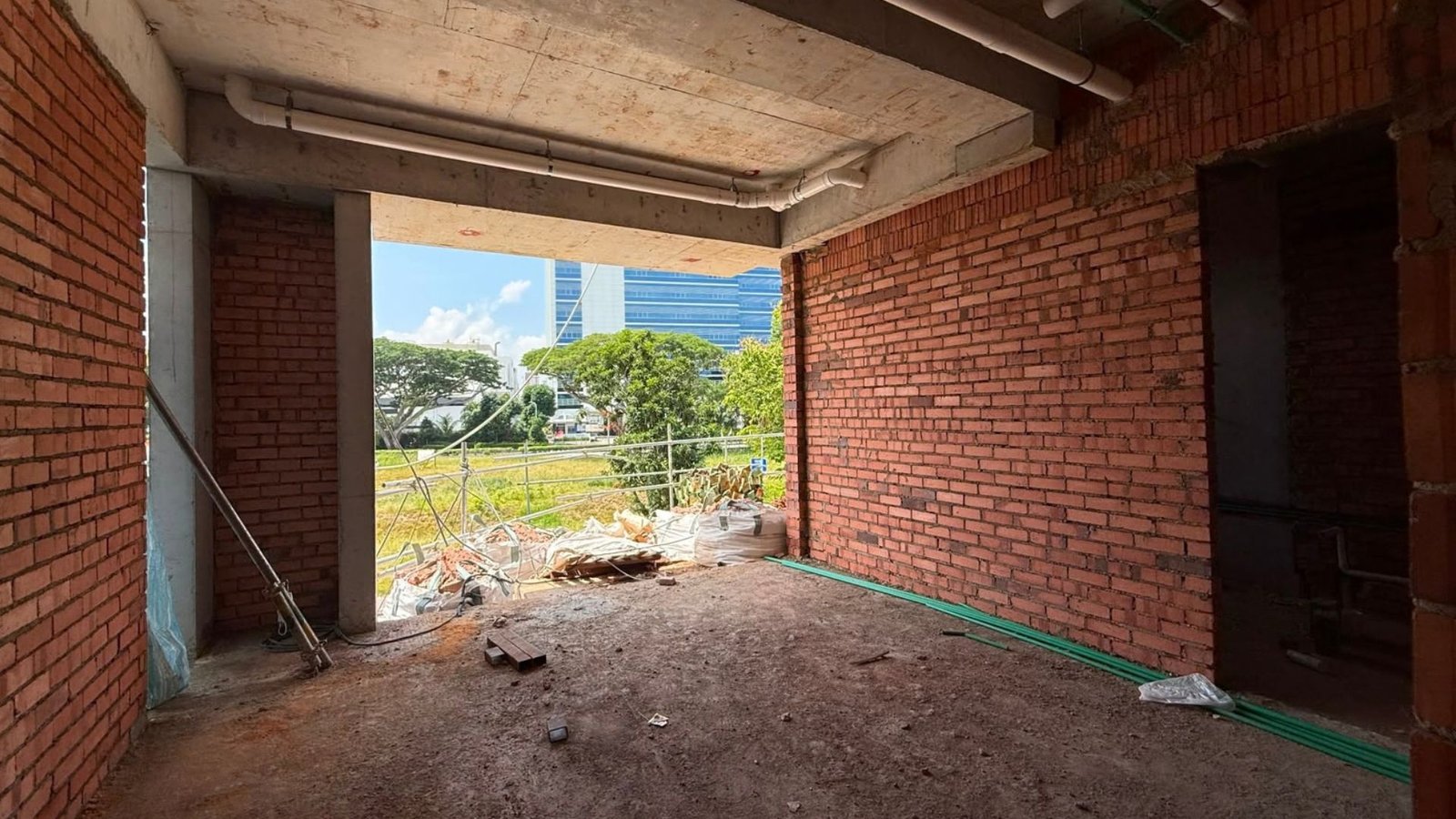
If construction is still at an early stage, there may be more flexibility to discuss certain finishes, electrical points or internal details. Once structural works and services have progressed significantly, changes may become difficult, expensive or impossible.
Never assume that a requested modification will be included. Any agreed changes should be properly documented with the developer.
Location Still Matters
A beautiful new house does not remove the importance of location.
When comparing BUC landed properties, consider accessibility to MRT stations, expressways, schools, shopping, food, parks and other amenities relevant to your family.
For families with school-going children, proximity to particular primary schools may also be an important consideration.
Buyers looking at areas such as D15 and D16 in Singapore’s East Coast, for example, may compare neighbourhoods including Siglap, Frankel, Opera Estate, Telok Kurau, Upper East Coast and surrounding landed enclaves.
Two similarly designed BUC homes can command very different prices because of their location, land tenure, plot characteristics and surrounding environment.
What Should Buyers Check Before Purchasing?
Before committing to a BUC landed property, buyers should understand the property beyond the marketing presentation.
Review the title and tenure, land size, approved or proposed plans, floor layout, specifications, construction progress and expected TOP.
You should also understand the payment structure, financing requirements, applicable Buyer’s Stamp Duty (BSD), Additional Buyer’s Stamp Duty (ABSD) where relevant, and other legal obligations associated with the purchase.
Engage an appropriate conveyancing lawyer to review the transaction documents and advise you on the legal aspects of your purchase.
BUC vs Completed Brand-New Landed Property
Neither option is automatically better for every buyer.
A completed brand-new home allows you to physically inspect the finished product, understand the actual spaces and potentially move in sooner.
A BUC property may give buyers access to a project earlier in its construction journey and, depending on the development stage, potentially provide some opportunity to discuss selected details with the developer.
The right choice depends on your timeline, requirements, risk considerations and how comfortable you are making a decision from architectural plans and specifications.
Finding a BUC Landed Property in Singapore
BUC landed properties can be found across different districts in Singapore, with options ranging from terrace houses to substantial semi-detached and detached homes.
Because each landed project can differ significantly in land size, design, specifications, tenure, construction stage and expected TOP, buyers should compare properties on more than price alone.
Whether you are considering a terrace, corner terrace, semi-detached or detached home, understanding the plans and specifications before purchasing is an important part of making an informed decision.
Explore our latest Brand New and BUC Landed Properties for Sale in Singapore to compare current projects and upcoming homes.